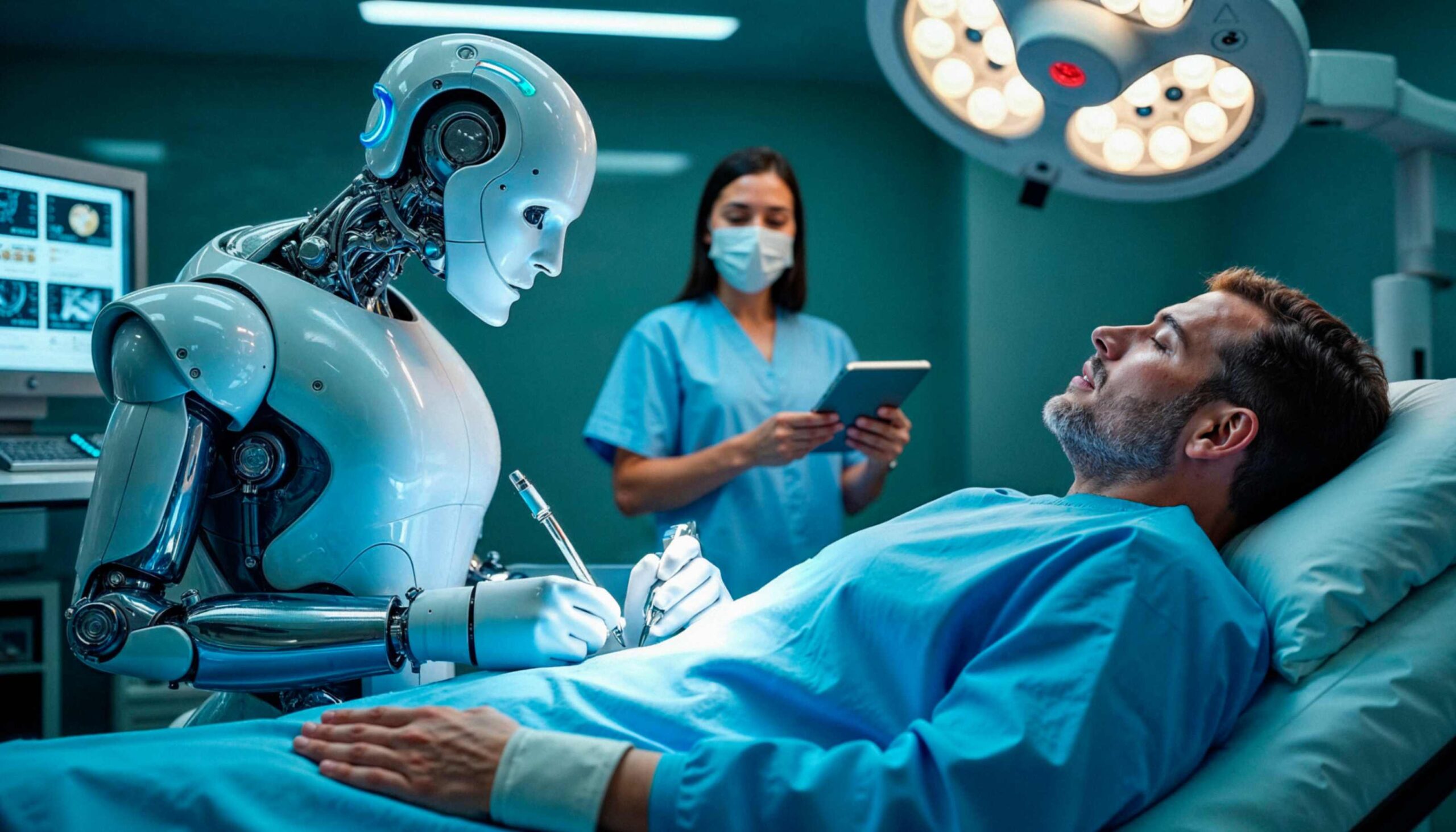
Artificial intelligence is increasingly being used in healthcare, but it is often misunderstood. Many people imagine robots replacing doctors or machines making life-and-death decisions. In reality, AI in healthcare works quietly in the background, supporting professionals rather than replacing them.
This article explains how artificial intelligence is actually changing healthcare today, in a simple and realistic way.
What AI Means in Healthcare
In healthcare, artificial intelligence refers to computer systems that analyze medical data to help doctors and hospitals make better decisions. This data can include medical images, patient records, lab results, and clinical notes.
AI systems do not diagnose patients on their own. Instead, they assist healthcare professionals by identifying patterns that may be difficult for humans to notice quickly.
How AI Is Used in Healthcare Today
AI is already being used in many areas of healthcare, often without patients realizing it.
Some common uses include:
- Medical imaging: AI helps analyze X-rays, MRIs,
T scans, and ultrasounds to highlight potential abnormalities. - Early disease detection: AI models can detect early signs of diseases like cancer or heart conditions by analyzing patient data.
- Administrative tasks: AI helps manage appointments, billing, and medical documentation, reducing paperwork for doctors.
- Clinical decision support: AI systems suggest possible treatment options based on similar past cases.
These tools are designed to save time and reduce human error.
Real-World Examples (Without Hype)
Instead of dramatic headlines, most healthcare AI tools focus on practical improvements.
For example:
- AI software that flags unusual patterns in radiology scans for a second review.
- Systems that help hospitals predict patient admission rates.
- Tools that assist doctors in prioritizing urgent cases.
These systems work quietly and are reviewed by medical professionals before any action is taken.
Benefits of AI in Healthcare
When used correctly, AI offers several benefits:
- Faster analysis of medical data
- Reduced workload for healthcare staff
- Improved accuracy in diagnosis support
- Better resource planning for hospitals
- More time for doctors to focus on patient care
AI improves efficiency rather than replacing human judgment.
Limitations and Risks
AI in healthcare is not perfect and has clear limitations.
Some challenges include:
- Data quality issues
- Bias in training data
- Privacy and security concerns
- Over-reliance on automated suggestions
This is why AI systems are always used alongside human expertise, not independently.
Why This Matters for the Future
Healthcare systems around the world face growing pressure due to aging populations and rising costs. AI can help manage this pressure by improving efficiency and supporting medical professionals.
Understanding how AI works in healthcare helps reduce fear and promotes informed discussion about its responsible use.
Final Thoughts
Artificial intelligence is changing healthcare in practical, measurable ways. It is not replacing doctors but helping them work more effectively.
At Knowvia, the goal is to explain these changes clearly—without hype, fear, or confusion.


Leave a Reply