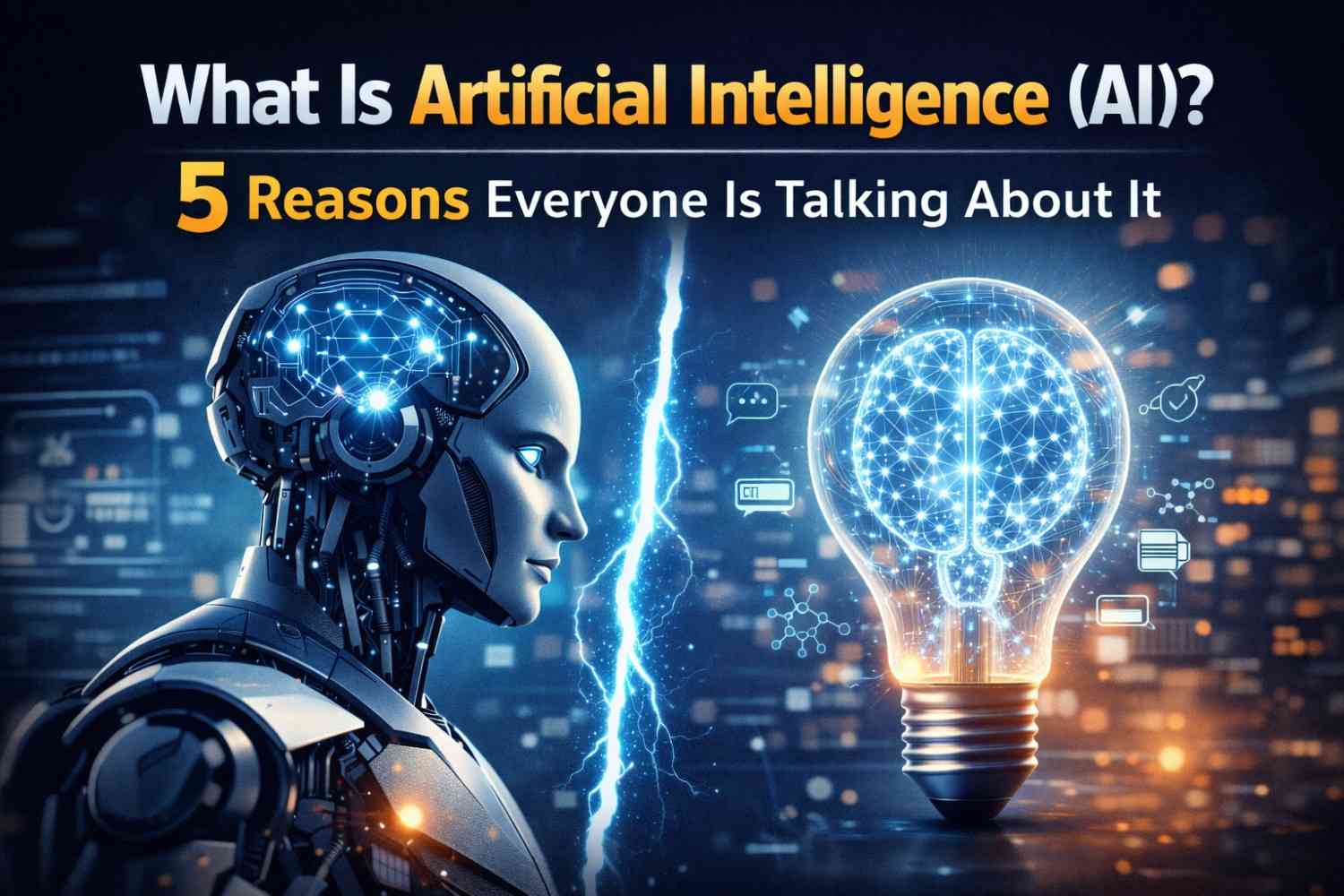
Artificial intelligence ai has gone from a niche research topic to a daily conversation — shaping products we use, decisions companies make, and headlines we read. In this article we’ll explain what artificial intelligence ai really means, why it matters now, and how it affects workplaces, governments, and everyday life. Whether you’re curious about basic definitions or practical examples, this guide will give you clear, actionable insight into artificial intelligence ai without assuming technical background.
Table of Contents
What Is artificial intelligence ai?
At its core, artificial intelligence ai refers to computer systems designed to perform tasks that normally require human intelligence. That includes learning from data, recognizing patterns, making predictions, and sometimes acting autonomously. Early forms of artificial intelligence ai focused on rule-based systems; modern versions rely heavily on statistical learning and neural networks that improve as they consume more data.
There are several ways to think about categories of artificial intelligence ai:
- Narrow or weak AI: systems that perform specific tasks such as speech recognition, image classification, or recommendation engines.
- General AI (still theoretical): systems that would match human-level cognitive abilities across a broad range of tasks.
- AI agents and systems that combine perception, decision-making, and action in real environments.
Why artificial intelligence Is Everywhere
Three main forces explain why artificial intelligence ai is suddenly so visible:
- Data availability: digitization has produced massive datasets that fuel learning.
- Compute power: GPUs and cloud computing make it feasible to train large models quickly.
- Open research and tools: shared models, open-source libraries, and cloud APIs lower the barrier to entry.
Because of those forces, artificial intelligence is now embedded into products like voice assistants, search engines, and business analytics tools. Governments and industries are also prioritizing AI strategy and policy, which is why you’ll find official resources such as India AI policy and initiatives describing national plans to support research, ethics, and deployment at scale.
How artificial intelligence ai Works: Key Concepts
Understanding a few basic concepts helps demystify artificial intelligence ai:
Data and learning
Most modern artificial intelligence systems learn from examples. Training data, whether labeled or unlabeled, is used to adjust a model so it makes accurate predictions or generates useful outputs.
Models and inference
A model is a set of mathematical functions and parameters learned during training. Inference is the process of applying a trained model to new data to generate decisions or outputs in real time.
Automation vs. augmentation
Artificial intelligence ai can fully automate simple, repetitive tasks, but its greatest early value often lies in augmenting human decision-making — surfacing insights faster and reducing mundane work.
Common Uses and Real-World Examples of artificial intelligence
Artificial intelligence ai powers many familiar services and emerging applications:
- Customer support chatbots that answer routine questions and route complex cases to humans.
- Recommendation systems on streaming platforms and e-commerce sites.
- Medical imaging tools that assist radiologists in spotting anomalies.
- Workplace productivity features that summarize documents or extract key data from contracts.
If you want a quick primer on software that acts autonomously on behalf of users, check this explainer on AI agents explained simply. For a broader view of tools that boost productivity, this popular AI tools overview covers many of the practical platforms people adopt today.
Benefits and Opportunities of artificial intelligence
The advantages of artificial intelligence ai are significant and measurable across sectors:
- Efficiency: automating routine tasks frees people to focus on higher-value work.
- Improved decisions: predictive models help forecast demand, detect fraud, and personalize services.
- Innovation: new products and services—such as customized education or precision agriculture—become possible.
Businesses that adopt artificial intelligence ai thoughtfully can unlock cost savings, better customer experiences, and new revenue streams. At the societal level, AI-driven solutions can assist in healthcare, climate modeling, and disaster response when deployed responsibly.
Risks and Ethical Considerations Around artificial intelligence
Alongside benefits, artificial intelligence ai introduces real risks that require careful governance:
Bias and fairness
Models trained on biased data can reproduce and even amplify social biases, leading to unfair outcomes in hiring, lending, or law enforcement. Addressing bias requires diverse data, transparent practices, and regular audits of performance.
Privacy and surveillance
Widespread data collection for artificial intelligence applications raises privacy concerns. Regulatory frameworks and privacy-preserving techniques like differential privacy can reduce risk, but responsible design remains essential.
Job displacement and workforce change
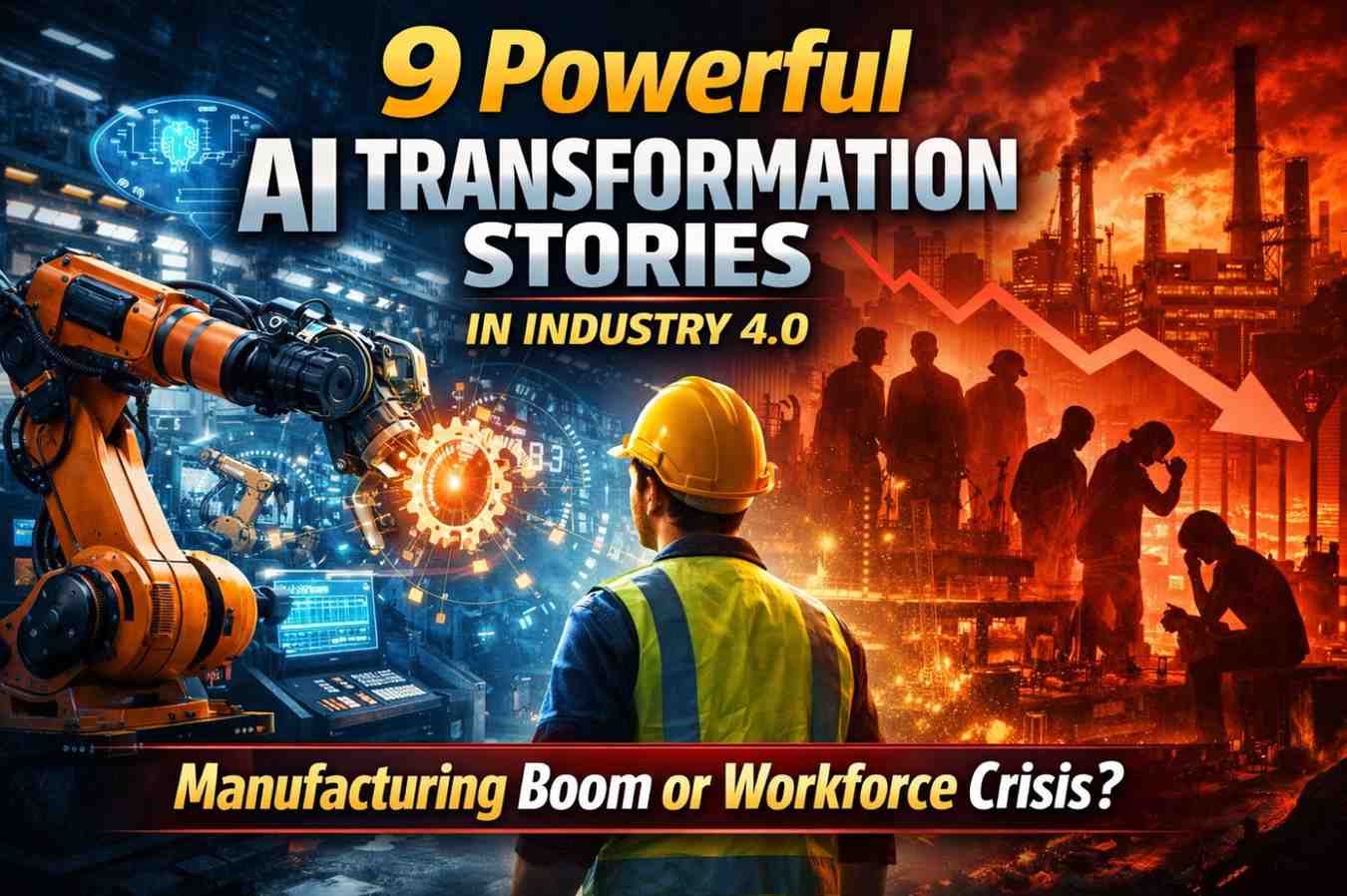
While artificial intelligence ai can create new roles and efficiencies, some tasks may be automated, requiring reskilling programs and thoughtful labor policies to ensure inclusive benefits.
Regulation, Policy, and Global Discussion on artificial intelligence
As artificial intelligence affects more people, policymakers and international institutions are stepping in. The global conversation includes standards for safety, explainability, and accountability. For an overview of why these debates matter around the world, read more at the World Economic Forum’s resource on why AI is trending globally.
At national levels, governments are publishing strategies to foster innovation while protecting citizens. For example, official outlines of priorities and initiatives can be found in documents like India AI policy and initiatives, which discuss research, skilling, and ethical frameworks.
How Individuals and Businesses Can Start with artificial intelligence
Getting started with artificial intelligence ai is accessible if you focus on practical, iterative steps:
- Identify a clear, measurable use case where data exists and value is clear.
- Start small with pilot projects and off-the-shelf models to test feasibility.
- Invest in data quality, model evaluation, and human oversight to ensure safe outcomes.
- Explore productivity-enhancing tools and agents to free up staff time for higher-value work; many guides exist such as the popular AI tools overview and resources about AI agents explained simply.
These steps help organizations adopt artificial intelligence ai with lower risk and faster learning cycles.
Common Myths and Misconceptions About artificial intelligence ai
Some persistent myths can make people unnecessarily fearful or overly optimistic about artificial intelligence ai:
- Myth: AI will immediately replace most jobs. Reality: AI changes job composition; many roles will evolve rather than disappear overnight.
- Myth: AI systems are objective. Reality: models reflect the data and assumptions used to build them.
- Myth: Building AI requires massive data and teams. Reality: many useful tasks can be automated with modest datasets and prebuilt models.
Looking Ahead: The Future of artificial intelligence ai
Predicting the precise timeline for breakthroughs is difficult, but several trends are clear. Models will become more capable and more integrated into everyday tools. Greater emphasis will be placed on safety, transparency, and human-centered design as artificial intelligence ai becomes woven into critical systems. Collaboration between technologists, policymakers, and communities will determine whether AI’s benefits are broadly shared.
Artificial intelligence ai is not a single technology but a collection of methods and practices reshaping how we work, create, and govern. Learning the basics and experimenting pragmatically will help you take advantage of the opportunities while managing the risks.
In conclusion, artificial intelligence ai is transforming industries, products, and public policy. It offers substantial benefits when applied responsibly, but also raises ethical and social questions that require thoughtful action. By understanding what artificial intelligence ai can and cannot do today, individuals and organizations can make better decisions and prepare for a future where AI plays an increasingly central role.


Leave a Reply