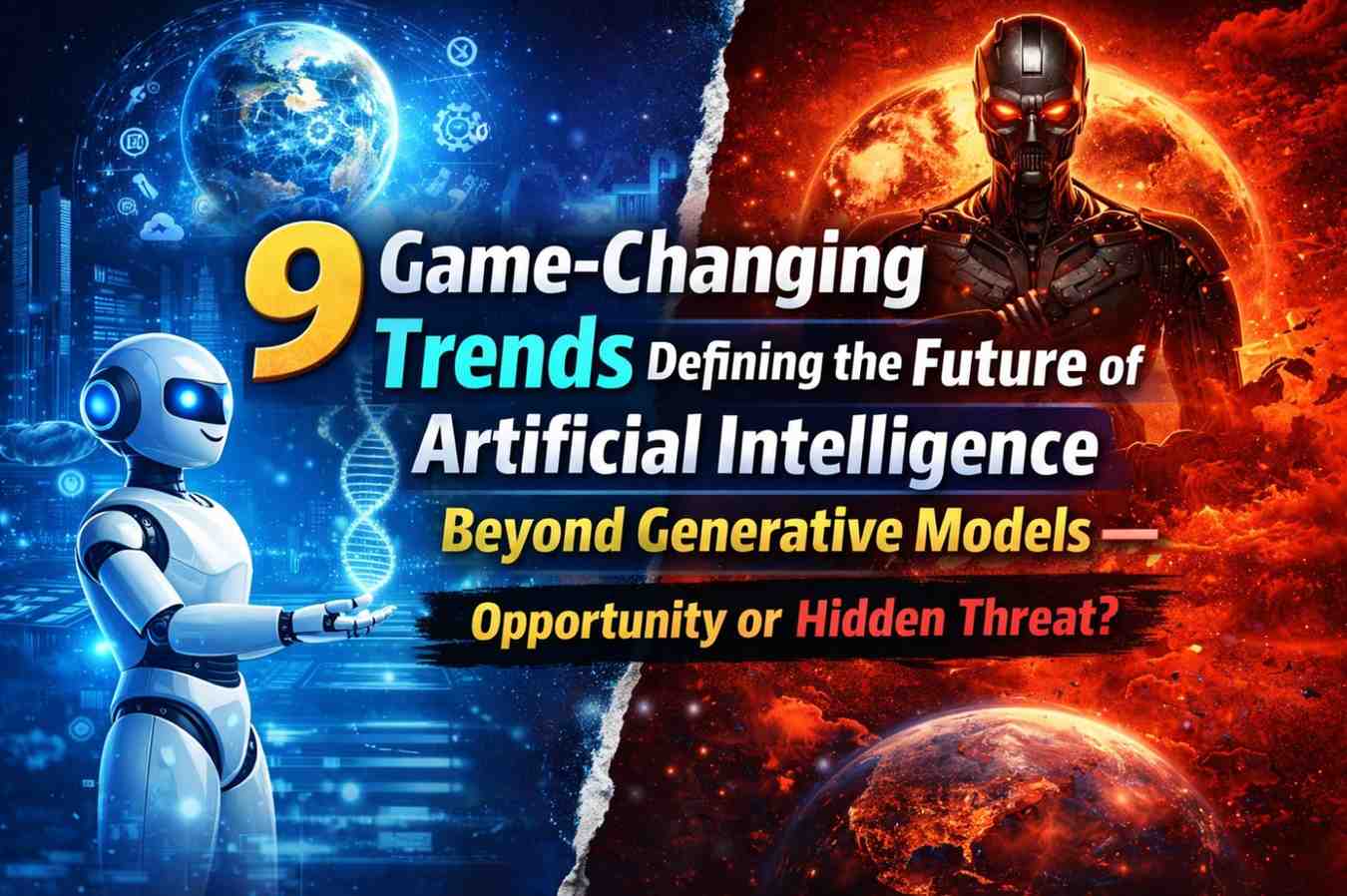
The Future of Artificial Intelligence: Game-Changing Innovations Beyond Generative Models
The future of artificial intelligence is unfolding before our eyes, and it’s not just about generative models. While generative AI has taken the spotlight with innovations like ChatGPT, image synthesis, and more, there are numerous other areas where AI is set to revolutionize industries and everyday life. As we delve into these nine game-changing AI innovations, we’ll explore how they represent both an opportunity and a potential hidden threat for society, making it imperative to consider the implications of the next generation AI technologies.
Table of Contents
1. Autonomous Vehicles: Driving into the Future
Autonomous vehicles are one of the most talked-about advancements in the future of artificial intelligence. Self-driving cars utilize a combination of sensors, cameras, and AI algorithms to navigate roads with little to no human intervention. Companies like Tesla, Waymo, and Uber are at the forefront of this technology, which promises to increase road safety, reduce traffic congestion, and enhance fuel efficiency.
Benefits of Autonomous Vehicles
- Enhanced Safety: By significantly reducing human error, autonomous vehicles could potentially lead to fewer accidents.
- Environmental Impact: AI-controlled driving can optimize speed and route, reducing emissions.
- Increased Accessibility: Such vehicles can provide mobility to those unable to drive, enhancing freedom for the elderly and disabled.
Potential Threats
However, this leap towards automation isn’t without its risks. Issues regarding cybersecurity, ethical decisions in emergency situations, and job displacement for drivers are pressing matters that need thoughtful consideration as the technology evolves.
2. AI in Healthcare: Personalizing Patient Care
One of the most promising applications of the future of artificial intelligence is in healthcare, where AI technologies are revolutionizing patient diagnostics, treatment plans, and overall care. From predictive analytics that can forecast patient deterioration to AI-powered tools that assist in surgeries, AI is transforming how healthcare is delivered.
Innovative AI Applications in Healthcare
- Predictive Analytics: Machine learning algorithms can analyze patient data to predict health risks.
- AI Imaging: AI tools are increasingly used to analyze radiology images, providing faster and often more accurate diagnoses.
- Robotic Surgical Systems: AI assists surgeons in precision tasks, reducing recovery time for patients.
Challenges and Ethical Considerations
However, the integration of AI into healthcare raises ethical dilemmas, such as patient privacy, data security, and the potential for biased algorithms that could affect care quality.
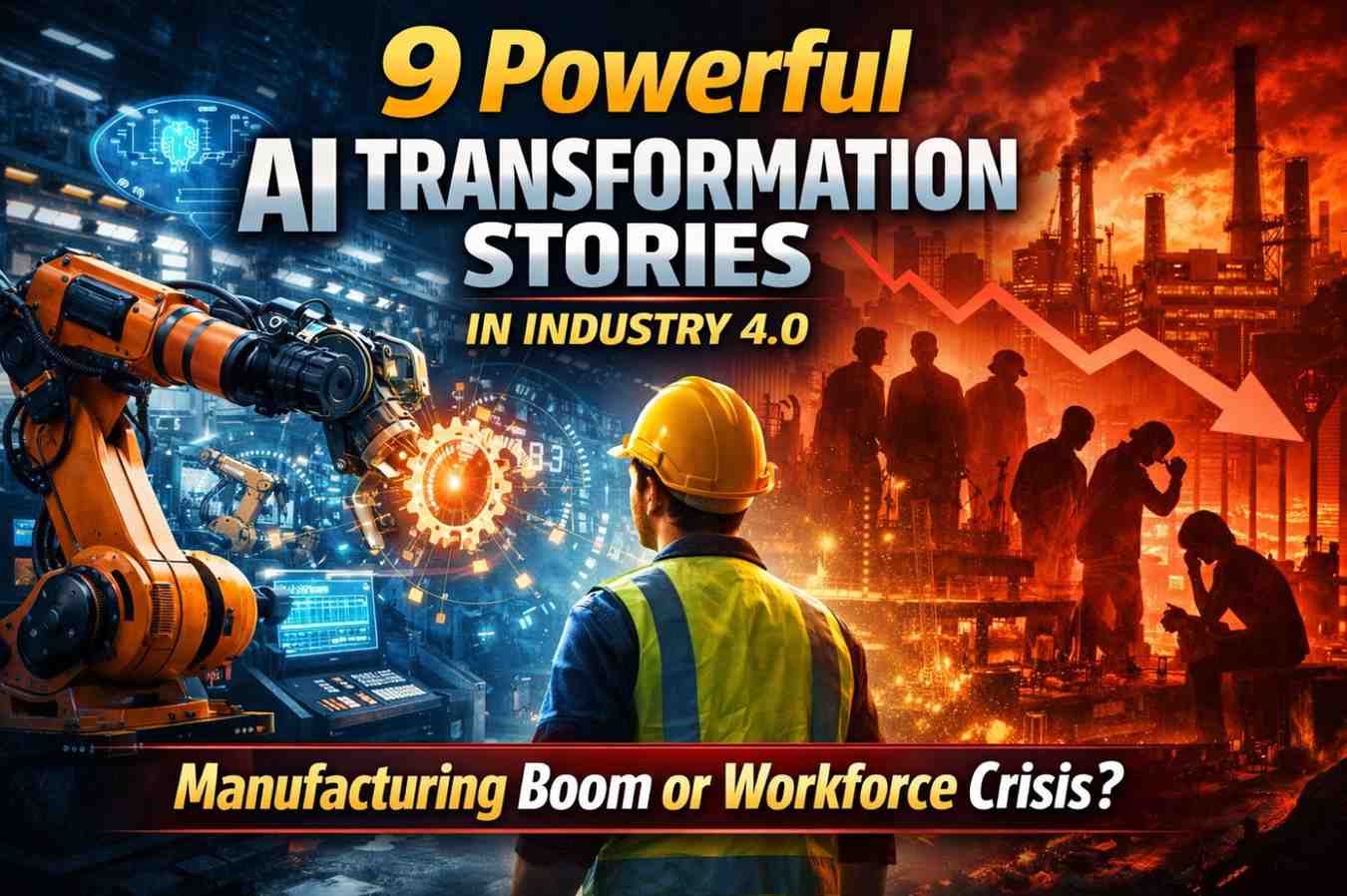
3. Smart Manufacturing: Revolutionizing Production
The future of artificial intelligence is also bright in smart manufacturing, where AI is employed to streamline processes, enhance productivity, and maintain a competitive edge. Technologies such as predictive maintenance, AI-enhanced robotics, and supply chain optimization are leading the charge in transforming factories into intelligent ecosystems.
Advantages of AI in Manufacturing
- Predictive Maintenance: AI systems can predict equipment failures, minimizing downtime and saving costs.
- Quality Control: AI-enabled vision systems can detect defects faster and more accurately than human inspectors.
- Supply Chain Optimization: Machine learning can analyze complex datasets to generate more efficient supply chain models.
Potential Downsides
Transitioning to smart manufacturing comes with challenges, including the need for substantial investment and striking a balance between automation and human jobs. Workers may find themselves displaced or required to gain new skills to work alongside AI systems.
4. AI-Powered Energy Management: A Greener Future
The future of artificial intelligence is crucial in energy management, where AI applications can optimize energy consumption and facilitate the shift towards renewables. Smart grids, energy forecasting, and energy-efficient buildings are significant areas where AI can make a mark.
Key Innovations in Energy Management
- Smart Grids: AI helps monitor and manage energy flow, improving efficiency and reliability.
- Energy Forecasting: Machine learning models can predict energy demand and supply fluctuations, helping in resource allocation.
- Building Automation: AI systems control energy use in buildings, fine-tuning heating, cooling, and lighting.
Environmental and Economic Implications
While these technologies promise a greener future, reliance on AI for energy management could pose risks related to data security and the potential for monopolization by larger energy companies.
5. AI in Finance: Shaping the Future of Banking
The future of artificial intelligence is also being shaped by its applications in the finance sector. From algorithmic trading to fraud detection, AI technologies are helping banks and financial institutions process vast amounts of data instantly to make informed decisions.
Impact of AI on Financial Services
- Fraud Detection: AI algorithms analyze transaction patterns to identify unusual activities and flag potential fraud.
- Algorithmic Trading: Machine learning models execute trades at lightning speed based on market fluctuations.
- Customer Service: AI chatbots are enhancing customer interactions, providing timely and accurate support.
Risks and Downsides
While these advancements provide efficiency and security, they also introduce risks such as algorithmic bias, potential job losses, and regulatory challenges that need to be addressed.
6. Natural Language Processing: Enhancing Human-Machine Interaction
Natural Language Processing (NLP) represents another significant frontier in the next generation AI technologies. With remarkable advancements in understanding human language, AI systems are now able to converse, summarize, and even compose text like never before.
Applications of NLP
- Sentiment Analysis: Businesses are leveraging NLP to gauge public sentiment from social media and customer reviews.
- Content Generation: AI systems produce written content that can be indistinguishable from that created by humans.
- Language Translation: Automated translation services are breaking down language barriers in real-time.
Ethical and Legal Considerations
Despite these advantages, the proliferation of NLP tools raises concerns around misinformation, data privacy, and intellectual property rights, highlighting the need for strict governance and ethical standards as we navigate the generative AI future.
7. AI in Cybersecurity: Fortifying Digital Frontiers
The rapid evolution of technology has made cybersecurity more critical than ever. The future of artificial intelligence plays a vital role in defending against cyber threats, as AI systems are increasingly employed to detect and respond to cyber attacks in real time.
How AI Enhances Cybersecurity
- Threat Detection: AI algorithms analyze patterns to spot anomalies and identify potential threats.
- Automated Responses: AI can swiftly execute defensive measures, reducing response times during a cyber threat.
- Predictive Analysis: Machine learning helps forecast potential security breaches before they happen.
Risks of AI in Cybersecurity
However, the arms race between cyber attackers and defenders can lead to the ethical use of AI, where malicious entities might exploit AI technologies for harmful purposes, which poses significant risks that society must be prepared to address.
8. AI and Personalized Marketing: The Future of Advertising
Artificial intelligence is reshaping the marketing landscape, providing companies with tools to understand consumer behavior more profoundly and deliver personalized experiences. The future of artificial intelligence is heavily tied to how brands utilize AI for targeted advertising.
Benefits of AI in Marketing
- Targeted Advertising: AI analyzes consumer data to create tailored marketing campaigns.
- Customer Segmentation: Machine learning improves the ability to group consumers based on behavior and preferences.
- Content Personalization: AI frameworks optimize content delivery based on individual preferences and engagement patterns.
Concerns and Risks
Despite its benefits, the use of AI in marketing can raise ethical concerns regarding data privacy, manipulation, and the potential for creating an echo chamber in digital advertising, potentially leading to consumer fatigue.
9. AI and the Workforce: A Double-Edged Sword
The integration of AI technologies across various sectors directly impacts the workforce. As industries adopt advanced AI solutions, the future of artificial intelligence raises questions about job displacement and the evolving nature of work.
Opportunities for the Workforce
- New Job Creation: While some jobs may be lost, new roles in AI management and development will emerge.
- Enhanced Productivity: AI tools can augment human capabilities, allowing workers to focus on more complex, creative tasks.
- Skill Development: The demand for upskilling and reskilling will provide opportunities for professional growth.
Potential Threats
The potential for job losses in specific sectors cannot be ignored, and there requires a proactive approach to ensure workers can adapt to the dynamically changing job landscape brought about by next generation AI technologies.
Conclusion: Navigating the Future of Artificial Intelligence
The future of artificial intelligence is marked by immense transformative potential. As we explore these nine game-changing innovations, we learn that the advancements in technology come with both remarkable opportunities and daunting threats. While generative AI is garnering attention, it is crucial to recognize the broader scope of AI’s future.
Through careful consideration of ethical implications, robust regulatory frameworks, and a commitment to responsible innovation, we can leverage the benefits of next-generation AI technologies while addressing the accompanying challenges. As we move forward, it will be essential to foster public dialogue, support workforce adaptability, and prioritize the integration of ethical standards into AI applications to ensure a beneficial future for all. The generative AI future may seem to dominate the landscape now, but it is only part of a much larger story that is just beginning to unfold.
Related Articles
- AI marketing tricks
- AI Summit 2026
- AI Summit 2026
- AI Summit 2026
- artificial intelligence today
- artificial intelligence ai
- ai replacing humans
- ai future of work
- AI tools for government exam preparation
- best AI tools for government exam study
- AI tools for government exam success
- AI tools for easy government exam study
- Grok and Claude AI web scraping
- Grok AI automation
- Grok AI business automation
- Grok AI automation workflows
- AI automation systems
- how AI automation works
- AI automation vs traditional automation
- AI agents explained

Leave a Reply