AI marketing case studies is becoming one of the fastest growing opportunities in the AI economy. Many entrepreneurs are exploring AI marketing case studies to build scalable online income streams.
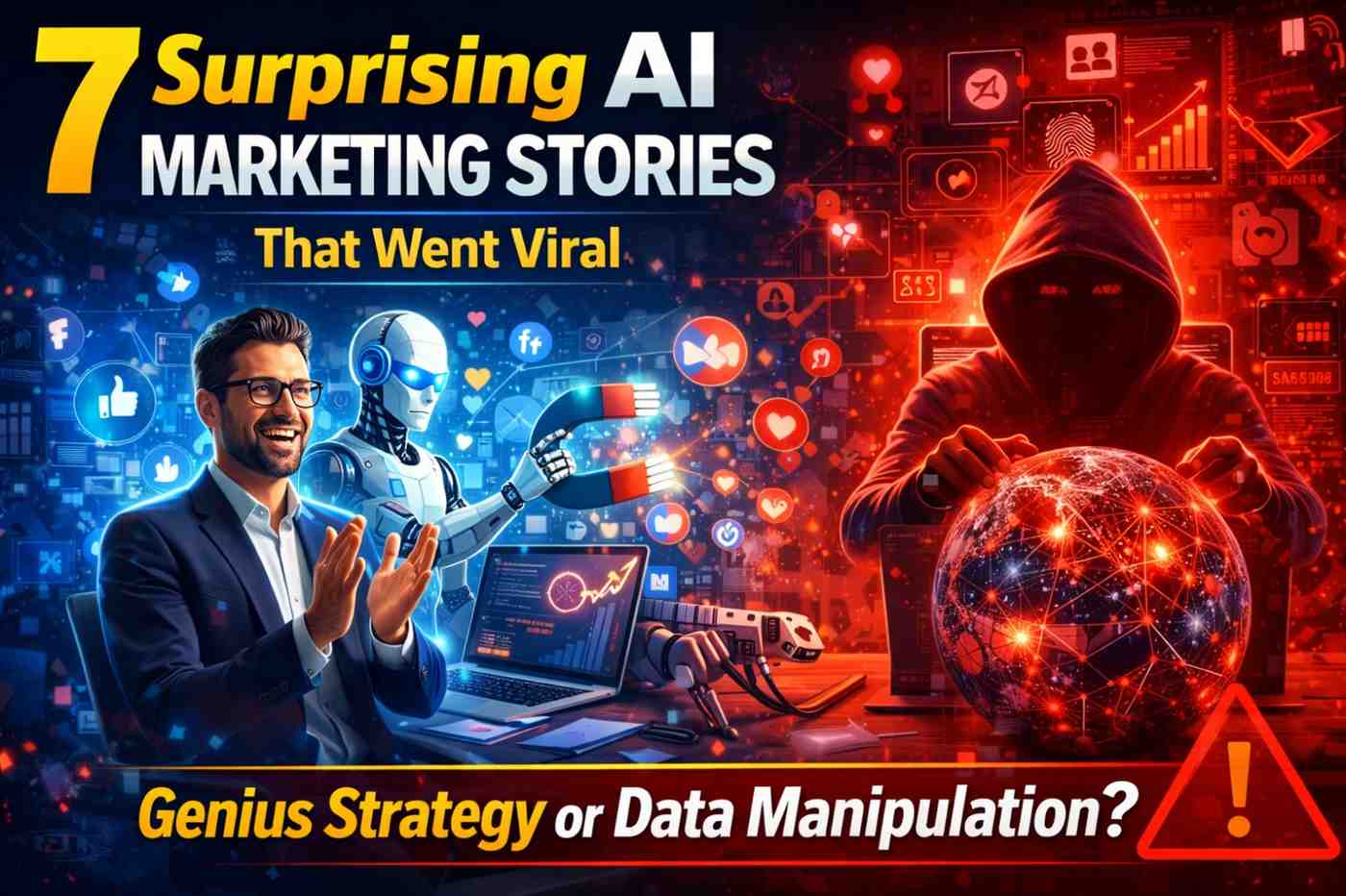
9 Powerful AI Case Studies That Transformed Marketing — Growth Machine or Privacy Risk?
The realm of marketing is evolving at a breathtaking pace, driven by the integration of technology into systems and processes. Among the revolutionary technologies, AI marketing case studies have emerged as a beacon for marketers seeking innovation and improvement. AI, or artificial intelligence, has reshaped marketing strategies, enhanced customer experiences, and is now a crucial element in creating effective marketing automation solutions. However, as the use of artificial intelligence marketing becomes more widespread, concerns about privacy risks and data security have risen. This article investigates nine compelling AI case studies that highlight the remarkable transformation within the marketing landscape, while also addressing potential privacy implications.
Understanding AI in Marketing
AI’s involvement in marketing has ushered in an era of efficiency and effectiveness. By employing machine learning algorithms, natural language processing, and data analytics, businesses are leveraging AI marketing automation to make data-driven decisions, personalize customer experiences, and optimize marketing campaigns. However, this technological shift comes with a dual-edged sword: while AI offers incredible advantages, it also presents challenges related to consumer privacy and data security.
The Impact of AI on Marketing Strategies
AI marketing case studies reveal that companies employing these technologies are better positioned to engage consumers and drive revenue. From data analysis to predictive analytics, AI provides the tools necessary to understand audience behavior and preferences, enabling brands to tailor their campaigns accordingly. Let’s delve into nine insightful case studies showcasing the transformative power of AI in marketing.
1. Netflix: Personalized Content Recommendations
Netflix has successfully harnessed the power of artificial intelligence marketing by employing algorithms that analyze user viewing habits. This AI-driven system generates personalized content recommendations for users, which significantly boosts viewer engagement and satisfaction. By utilizing data from millions of users, Netflix can offer tailored suggestions that keep customers enthralled with the platform, thereby reducing churn rates and driving subscription growth.
AI Forward: Impact on Customer Retention
Netflix’s sophisticated recommendation engine accounts for about 80% of the content watched on the platform. This demonstrates the effectiveness of AI marketing automation in enhancing customer retention. However, the company must also navigate privacy concerns, ensuring that user data is handled with care and transparency to maintain customer trust.
2. Coca-Cola: AI-Powered Content Creation
Coca-Cola utilized artificial intelligence marketing to create the “Coca-Cola Freestyle” vending machine, which allows customers to create customized beverage mixes. By analyzing consumer preferences through data collected from this innovative machine, Coca-Cola can generate unique marketing campaigns centered around popular flavor combinations, thus personalizing user experiences.
Scaling Up Brand Engagement
This AI-powered approach enables Coca-Cola to develop targeted marketing strategies that resonate with customers. Nevertheless, the collection and processing of personal data present potential privacy risks, necessitating a careful balance between engaging users and respecting their privacy choices.
3. Sephora: AI Chatbot for Enhanced Customer Service
Sephora’s AI-driven chatbot, named Sephora Virtual Artist, has revolutionized the customer service landscape. By leveraging machine learning algorithms and augmented reality, this chatbot enables customers to virtually try on products before purchasing. This innovative solution enhances the shopping experience while collecting valuable customer data to refine marketing strategies.
Boosting Sales Through Personalization
Sephora has witnessed increased sales and customer satisfaction since the implementation of this chatbot. While the system gathers insights through customer interactions, it must also prioritize data privacy to ensure consumer protection and maintain a positive brand image.
4. Amazon: Predictive Analytics for Inventory Management
Amazon leads the e-commerce industry with its use of artificial intelligence marketing. By applying predictive analytics, the company forecasts customer demand, enabling efficient inventory management. This AI technology allows Amazon to recommend products based on past purchases, fostering a tailored shopping experience.
Efficiency and Consumer Satisfaction
As Amazon continues to push the envelope in customer experience, they face the challenge of managing consumer data responsibly. While predictive analytics boosts sales and customer satisfaction, it also raises questions about how user data is being collected and utilized.
5. H&M: Inventory Optimization through AI
H&M has effectively used AI marketing case studies to optimize its inventory and supply chain. By analyzing customer behavior and fashion trends, H&M can manage inventory effectively, ensuring popular items are stocked while reducing excess inventory costs.
Balancing Trends and Consumer Privacy
This strategy not only improves operational efficiency but also aligns with consumer preferences. However, as H&M collects data to refine its marketing efforts, it must remain vigilant about privacy concerns and ensuring customer data security.
6. Spotify: AI for Enhanced Music Discovery
Spotify has revolutionized music streaming with its AI-driven recommendation algorithms. By analyzing user listening habits, Spotify generates personalized playlists tailored to individual tastes, significantly enhancing user engagement and satisfaction.
Data-Driven Personalization
The platform’s recommendation engine embodies the essence of AI marketing automation, allowing Spotify to create targeted campaigns. However, it also raises ethical questions regarding data collection and user consent in the name of personalization.
7. Unilever: AI-Powered Advertising Insights
Unilever, a global consumer goods company, has integrated AI into its advertising strategies to extract valuable insights about consumer behavior. By employing AI-driven analytics, Unilever can measure ad performance in real-time and identify which campaigns resonate most with their target audience.
Agility in Marketing Strategy
This data-driven approach allows Unilever to pivot its strategies quickly, maximizing advertising ROI. However, the constant collection of data for AI insights must balance the urgent need for consumer privacy and ethical data practices.
8. Domino’s: AI-Driven Customer Engagement
Domino’s Pizza utilizes artificial intelligence marketing through its “Dom” voice ordering system, allowing customers to place orders using voice commands. This innovative solution enhances customer engagement by providing a frictionless ordering process.
Modernizing Customer Experience
While the enhancement in ease-of-ordering boosts customer satisfaction, Domino’s must also navigate privacy issues regarding voice data collection and ensure secure storage practices to maintain consumer trust.
9. Starbucks: AI-Based Personalized Marketing Offers
Starbucks employs AI marketing case studies with its mobile app, utilizing machine learning to gather data on customer purchases to generate personalized marketing offers and recommendations. This system increases customer loyalty and encourages repeat business through tailored rewards.
Fostering Loyalty while Protecting Data
While Starbucks enjoys enhanced customer interactions through its AI-driven strategy, it must also address the challenge of protecting customer data and ensuring that their marketing practices remain ethical and respectful of privacy rights.
Concluding Thoughts: The Dual Impact of AI Marketing Case Studies
The comprehensive examination of these nine AI marketing case studies showcases the immense potential of artificial intelligence in transforming marketing strategies for businesses across various industries. From enhancing customer engagement to optimizing inventory management, AI marketing automation serves as a powerful tool that drives growth. However, this technology is not without its challenges, particularly when it comes to privacy risk. As businesses continue to innovate with AI, it is essential that they implement robust data protection measures to prevent misuse and build customer trust.
Moving forward, embracing the incredible opportunities that AI marketing offers while placing a premium on consumer privacy will be critical to cultivating sustainable business practices in a rapidly evolving digital landscape. The future of marketing lies at the intersection of innovation and ethical responsibility.
Related Articles
- AI marketing tricks
- AI Summit 2026
- AI Summit 2026
- AI Summit 2026
- artificial intelligence today
- artificial intelligence ai
- ai replacing humans
- ai future of work
- AI tools for government exam preparation
- best AI tools for government exam study
- AI tools for government exam success
- AI tools for easy government exam study
- Grok and Claude AI web scraping
- Grok AI automation
- Grok AI business automation
- Grok AI automation workflows
- AI automation systems
- how AI automation works
- AI automation vs traditional automation
- AI agents explained

Leave a Reply